3 Days Amboseli National Park Safari Package — From $600 Per Person
Book a focused 3 Days Amboseli National Park safari from Nairobi, with two nights in a Kilimanjaro-view lodge, five planned game drives, full-board accommodation, park fees and private 4×4 road transfers. This short Amboseli safari package is built around elephants, open savannah, permanent wetlands and Mount Kilimanjaro views, while leaving the final day flexible for Nairobi, Tsavo or the Kenyan coast.
The Concept
Why Is Amboseli Our Most Popular Package?
This is the package most first-time Kenya travellers choose, for a reason visible in every photograph of the park: Amboseli pairs reliable, close-range elephant sightings with the single most recognisable mountain view in Africa. At just 392 km², the park is compact enough that three days of driving covers its swamps, dry lake bed, and observation hill thoroughly — you are not racing between distant sectors as you might in a larger reserve.
Underground rivers fed by Kilimanjaro’s meltwater keep the Ol Tukai swamps wet even in the dry season, which concentrates elephant, buffalo, and hundreds of bird species into predictable, photogenic locations. That reliability is what makes three days — rather than five or six — genuinely sufficient here, unlike migration-chasing itineraries in the Mara.
Geographically, Amboseli also opens the door south: it connects overland to Tsavo and on to the coast, making this package a natural first act in Kenya’s best-value bush & beach circuit.
The Landscape
Amboseli’s Ecosystem, Explained
Understanding the terrain helps explain why the wildlife here behaves the way it does.
Amboseli National Park sits at the base of Mount Kilimanjaro in southern Kenya, inside a wider ecosystem that spans the Amboseli-West Kilimanjaro landscape shared with Tanzania. The park itself is a former lake bed — Lake Amboseli — that dried into a cracked, dusty pan thousands of years ago, which is why the open central plains look almost lunar in the dry season while the swamps at their edges stay a vivid, permanent green.
Those swamps, principally around Ol Tukai and Enkongo Narok, are not fed by seasonal rainfall the way most East African wetlands are. Instead, rain and snowmelt falling on Kilimanjaro decades earlier percolate through volcanic rock and re-emerge here as clear, cold springs. The result is a wetland that holds water through the harshest dry months, which is precisely why Amboseli concentrates wildlife so reliably compared with rain-dependent parks — animals do not need to migrate away in search of water because the water never fully disappears.
The park’s five main habitats — swamps, savannah grassland, the dry lake bed, woodland, and the rocky outcrop of Observation Hill — sit close enough together that a single game drive circuit can move through all of them in a few hours, which is part of why three days of driving here covers ground that would take five or six days in a larger, less concentrated reserve.
Kilimanjaro itself, at 5,895 metres, is not inside Kenya at all — the summit lies across the border in Tanzania — but its slopes dominate every horizon in the park and its meltwater is, functionally, Amboseli’s water supply. The mountain is a dormant stratovolcano with three volcanic cones, and its glacial cap is visibly retreating year over year, a detail guides often point out during the dawn game drive when the peak is clearest.
Amboseli was gazetted as a national park in 1974, having previously been a game reserve managed jointly with the local Maasai community, and it remains one of the few Kenyan parks where Maasai group ranches border the boundary directly rather than being separated by a buffer zone. That proximity is why wildlife moves freely between the park and the surrounding conservancies, and why community conservancy visits (see below) are such a natural add-on to this itinerary rather than a separate excursion.
The park is administered by Kenya Wildlife Service, and entry fees — already included in this package — go directly toward habitat protection and anti-poaching patrols across the wider ecosystem.
Day by Day
The Full 3-Day Itinerary
Structured around Kilimanjaro’s best visibility windows — typically clearest at dawn and dusk.
Arrival & Afternoon Game Drive
A scenic 3.5–4 hour road transfer from Nairobi via Emali, crossing classic Maasai rangeland with Kilimanjaro visible for much of the drive on clear days. Check in to your Kilimanjaro-view lodge for lunch, then head straight into an afternoon game drive around the Ol Tukai swamps as elephant herds emerge to feed.
Full Day — Swamps, Elephants & Observation Hill
Dawn game drive when the mountain is most likely clear and elephant families are most active, followed by a stop at Observation Hill for a 360° panorama over the swamps and dry lake bed. Afternoon drive focused on the park’s resident lion and cheetah, with time built in for the classic Kilimanjaro-backdrop photograph.
Final Dawn Drive & Departure
One last early game drive to close out the sightings you’re still hoping for, then a late breakfast back at the lodge before transferring onward — to Nairobi, or overland toward Tsavo and the coast if you’re continuing your journey south.
Who You’ll See
A Guide to Amboseli’s Wildlife
Five game drives is enough time for reliable sightings across most of these species.
African Elephant
Amboseli is famous for hosting some of Africa’s largest-bodied, longest-tusked elephants, studied continuously since 1972 by the Amboseli Trust for Elephants — the longest-running elephant research project in the world. Matriarch-led family herds move between the swamps and the surrounding acacia woodland throughout the day, which is why sightings here are unusually close and predictable.
Lion & Cheetah
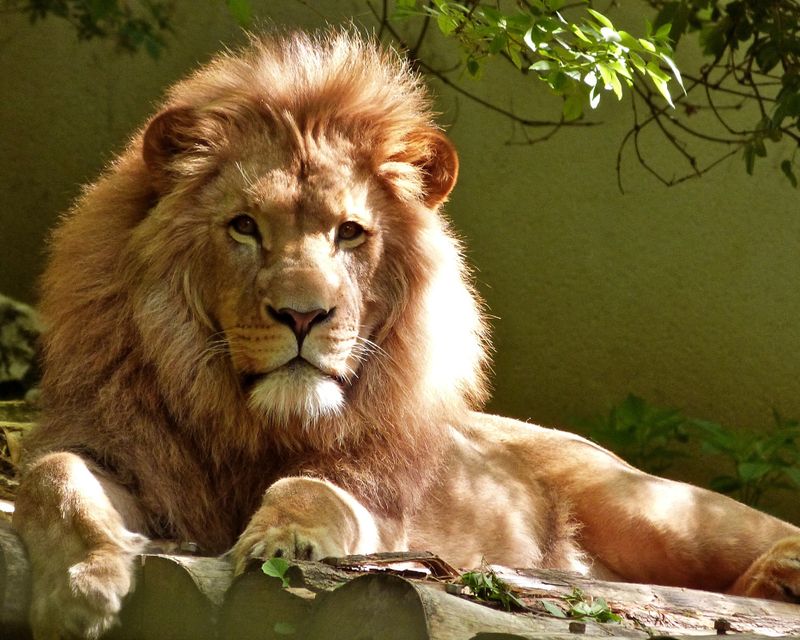
Amboseli’s open plains favour cheetah, which rely on sight-hunting across short grass, while lion prides tend to hold territories around the denser swamp margins where prey concentrates. Both are seen regularly, though neither at the density of the Masai Mara.
Cape Buffalo
Large mixed-sex herds graze the swamp edges, often alongside elephant and zebra, and are one of the most consistent sightings on any Amboseli game drive.
Giraffe & Zebra
Maasai giraffe and plains zebra are common across the drier savannah sections of the park, particularly on the routes between the lodge and Observation Hill.
Hippopotamus
The permanent swamps hold resident hippo pods, best viewed from the raised vehicle tracks that skirt the wetland edge without disturbing the water itself.
Birdlife
Over 400 recorded bird species make Amboseli one of Kenya’s best birding parks outside the coast, including pelicans, flamingos, and fish eagles concentrated around the swamps, alongside dry-country species like the secretary bird and kori bustard on the plains.
Pricing Detail
What Does the $600 Include?
Our standard transparent inclusions, applied to this package specifically.
Included
- Amboseli National Park entry fees for all three days
- Kilimanjaro-view lodge accommodation, full board, two nights
- Private road transfer from Nairobi in a 4×4 safari vehicle
- Five game drives with a professional driver-guide
- Observation Hill stop and Kilimanjaro photo-viewpoint stops
- Bottled drinking water throughout
- Dedicated travel consultant and 24/7 support line
Not Included
- International flights and Kenya eTA (~USD 30)
- Travel insurance (required for all bookings)
- Optional Maasai conservancy village visit (quoted on request)
- Drinks, tips, and personal expenses
Amboseli’s dry season (June–October) is peak demand and prices slightly above the from-rate shown; the March–May long-rains window offers the best value, with the trade-off of reduced Kilimanjaro visibility.
Timing It Right
Best Time to Visit Amboseli
How season affects wildlife density, Kilimanjaro visibility, and price.
| Season | Months | Wildlife | Kilimanjaro Views | Price & Crowds |
|---|---|---|---|---|
| Dry / peak | Jun–Oct | Best; animals concentrate hard around the permanent swamps | Good, especially early morning before afternoon haze builds | Highest rates, busiest lodges — book well ahead |
| Short rains | Nov–Dec | Very good; landscape greens up but water sources still draw wildlife | Variable; clearer after afternoon showers pass | Moderate rates, lighter crowds |
| Cool dry | Jan–Feb | Strong; comfortable temperatures and good visibility across the plains | Often the clearest window of the year | Moderate-to-high rates around the New Year period |
| Long rains | Mar–May | Wildlife more dispersed across greener vegetation, still present at the swamps | Weakest; cloud cover frequent | Lowest rates, best value, some lodges reduce services |
Because Amboseli’s swamps hold water year-round, wildlife viewing here never truly collapses the way it can in parks that depend on seasonal rainfall — the main variable that changes with season is Kilimanjaro’s visibility, not animal density. Guests prioritising the mountain photograph should target January–February or the drier stretches of June–October; guests prioritising value and lighter crowds should look at March–May.
Where You’ll Stay
The Kilimanjaro-View Lodge Experience
Every lodge on this package is selected specifically for a direct, unobstructed sightline to Kilimanjaro from either the guest rooms or the communal dining and lounge areas — a detail that varies significantly between Amboseli properties and is easy to overlook when comparing safari quotes on price alone.
Accommodation is full board, meaning breakfast, lunch, and dinner are all included, typically served buffet-style with a mix of international and Kenyan dishes. Rooms are en-suite with mosquito netting standard given the swamp-adjacent setting, and most properties run on solar or generator power with defined quiet hours overnight to protect the surrounding wildlife corridors.
Because elephant, buffalo, and occasionally hyena move through unfenced lodge grounds after dark, guests are escorted between rooms and communal areas at night by lodge staff — a standard, low-key safety practice across Amboseli rather than a sign of any particular risk.
Behind the Lens
Photography Tips for This Safari
Kilimanjaro is most likely to be cloud-free in the first two hours after sunrise, before rising heat builds the haze and afternoon cloud that typically obscures the summit — which is exactly why this itinerary front-loads its photo stops into the dawn game drive on Day 2.
For the classic elephant-with-mountain-backdrop composition, positioning matters as much as timing: guides know the specific tracks around Ol Tukai where the swamp, elephants, and mountain align in a single frame, rather than requiring a long lens to compress the scene.
A telephoto lens (200mm or longer) helps with wildlife close-ups, but a wide-angle is just as important here as in almost no other Kenyan park, given how much of Amboseli’s appeal is the landscape itself rather than the wildlife alone.
Practical Information
Health, Safety & Packing Notes
What most first-time guests ask about before this trip.
Health & Documents
Kenya requires an electronic Travel Authorisation (eTA) for most nationalities in place of the former visa-on-arrival system; this is not included in the package price and should be arranged online in advance of travel. Amboseli sits in a malaria-risk zone, so appropriate prophylaxis, repellent, and long sleeves for dawn and dusk drives are standard precautions travel clinics recommend. Yellow fever vaccination is only required if arriving from a country with risk of transmission — check current requirements when booking.
Packing for Amboseli
Neutral-coloured clothing (khaki, olive, brown) is preferable to bright colours or all-black/blue, which can attract tsetse flies in some areas. Dust from the dry lake bed is fine and pervasive, so a buff or scarf, sunglasses, and a change of clothes for the vehicle are worth packing alongside sun protection — daytime temperatures can be high even when early mornings are cool.
Vehicle & Roads
The Nairobi–Amboseli road via Emali is tarmacked for most of the route, with the final stretch into the park on unpaved track that can be corrugated in the dry season or slick after rain — reasons the transfer allows a generous 3.5–4 hour window rather than a fixed drive time. All game drives use enclosed 4×4 safari vehicles with pop-up roof hatches for standing photography.
In the Park
Kenya Wildlife Service rules require guests to remain inside vehicles except at designated stops such as Observation Hill, and off-road driving is restricted to protect the fragile swamp-edge vegetation — both rules your driver-guide will explain on Day 1 and which apply throughout the itinerary.
Make It More
Popular Ways to Extend This Safari
Amboseli’s location makes it an easy first act in a longer circuit.
Add a Maasai Conservancy Visit
Extend Day 3 with a guided visit to a community conservancy bordering the park, meeting the Maasai families whose land makes Amboseli’s ecosystem possible.
Continue Overland to Tsavo
Combine with our 2-Day Tsavo East package for Kenya’s classic value safari circuit — two parks, one continuous overland route toward the coast.
Finish at the Coast
Add three or four nights at Diani Beach or Watamu to complete the bush & beach experience without ever backtracking through Nairobi.
Before You Book
Is the 3 Days Amboseli National Park Safari Right for Your Trip?
A practical comparison of time, wildlife, transport, accommodation and total safari value.
A 3 days Amboseli National Park safari is designed for travellers who want a focused Kenya wildlife experience without committing a full week to one park. The package concentrates the trip around the habitats that define Amboseli National Park: the Ol Tukai and Enkongo Narok wetlands, open grassland, the seasonal lake bed, acacia woodland and Observation Hill. The central decision is therefore not whether three days is long enough to enter the park, but whether Amboseli’s particular strengths match what you want from a short safari.
Choose this Amboseli safari package when elephants, Mount Kilimanjaro views, accessible game drives and a relatively short road transfer from Nairobi are high priorities. The itinerary also works well when Amboseli is one part of a larger Kenya route, because Day 3 can lead back toward Nairobi or continue south toward Tsavo and the coast.
Choose a different package if your main goal is the Great Migration, a higher concentration of predators, a longer northern Kenya expedition or a beach-only holiday. In those cases, Masai Mara, Samburu, Tsavo or the coast may fit better. The useful comparison is between what each destination does well and the time available, not simply the number of animals listed on a safari page.
Best fit for
- Travellers with three days available for a dedicated wildlife stop
- Visitors starting in Nairobi who prefer an overland safari
- Elephant-focused wildlife viewing and open landscapes
- Photographers prioritising Mount Kilimanjaro and wildlife in one frame
- Couples, families and first-time Kenya safari travellers
- Guests combining Amboseli with Tsavo or the Kenyan coast
Package At a Glance
What the 3-Day Amboseli Safari Actually Delivers
The important attributes to compare when reviewing safari quotes.
Duration
Three days and two nights, with arrival and departure transfers structured around game-drive opportunities rather than treating the park as a stopover.
Wildlife focus
Large elephant herds are the signature sighting, supported by buffalo, zebra, giraffe, hippo, predators and a substantial bird list across wetland and savannah habitats.
Landscape
The defining relationship is between the Amboseli wetlands, the dry lake basin and Mount Kilimanjaro, whose slopes dominate the southern horizon.
Transport
The standard package uses a private 4×4 safari vehicle and road transfer from Nairobi, with an air transfer available as an upgrade when time is more important than cost.
Accommodation
Two nights on a full-board basis at a property selected for a useful Kilimanjaro outlook and practical access to the park’s game-drive circuit.
Booking basis
The displayed from-rate is per person sharing. Exact cost depends on travel dates, room category, occupancy, transport arrangements and any requested upgrades.
Buying the Package
How to Compare an Amboseli Safari Price Properly
A low headline rate does not necessarily represent the lowest total trip cost. When comparing a 3 day Amboseli safari price, first identify what is included in the quotation. Park entry, accommodation, meals, vehicle, driver-guide, fuel, airport or hotel transfers and bottled water can each appear as separate line items in different offers.
Occupancy also changes the per-person amount. A quote for two people sharing a room and vehicle is not directly comparable with a single-traveller quotation. Ask whether the published amount assumes double occupancy, which accommodation category is being used, and whether the vehicle is private or shared.
Season matters as well. Demand for Amboseli accommodation rises around school holidays, Christmas and New Year and the drier months. The displayed $600 starting point should therefore be treated as a package entry price rather than a universal rate for every date.
Quote checklist
✓ Number of nights and room type
✓ Park fees and applicable conservation charges
✓ Number and timing of game drives
✓ Private or shared vehicle
✓ Nairobi pickup and final drop-off
✓ Meals, drinking water and driver-guide
✓ Optional activities and upgrades
The Main Product
Book the 3-Day Amboseli National Park Safari Package
The dedicated product page is the most direct route to request dates and confirm the package.
3-Day Amboseli Safari
Review the dedicated 3-Day Amboseli National Park Safari product for the package route, booking request and core trip details.
Amboseli Elephant Safari
If your priority is specifically elephants and Kilimanjaro scenery, compare this package with the Amboseli Elephant Safari with Kilimanjaro views.
Custom Planning
For unusual arrival times, family requirements, lodge preferences or a multi-park route, use Plan Your Trip to request a tailored itinerary.
Day 1 in Detail
Nairobi to Amboseli: What Happens on Arrival Day
The first day is planned to turn the road transfer into a usable safari day.
Morning departure from Nairobi
The standard route leaves Nairobi in the morning and travels south toward Emali before continuing toward Amboseli. The road section provides the transition from the capital to the open rangelands around the park. Departure time is important because arriving early enough at the lodge creates the opportunity for lunch and an afternoon drive instead of using the entire first day as a transfer.
Pickup arrangements should be confirmed before travel, particularly when the trip begins at an airport hotel, city hotel or private residence. Traffic leaving Nairobi can affect the departure window, so a precise pickup time should be treated as part of the operating plan rather than a guarantee of an exact park-entry time.
Afternoon game drive
Once checked in, the safari vehicle enters the game-drive circuit. The afternoon is useful for establishing the geography of the park, identifying elephant family groups and observing how wildlife uses the wetland edge as temperatures begin to fall. Your guide can also use the first drive to understand your interests, such as photography, birds, predators or general wildlife coverage.
Arrival-day sequence
Hotel or airport pickup → road transfer → park approach → lodge check-in → lunch → afternoon game drive → return to lodge → dinner and overnight.
The exact sequence can shift with traffic, lodge check-in time, road conditions and the agreed pickup point. The booking confirmation should be used for the final operating details.
Day 2 in Detail
The Full Amboseli Day: Wildlife, Wetlands and Kilimanjaro
This is the core safari day and the main reason for choosing three days rather than a single overnight.
Day 2 provides the greatest flexibility for wildlife viewing because there is no inter-city transfer competing with the game-drive schedule. The early drive begins before sunrise or around first light, depending on park operations and the agreed itinerary. Cooler temperatures and softer light can make the first hours productive for both wildlife observation and photography.
The route can include the permanent wetlands where elephants and other herbivores feed or drink, open areas where zebra and giraffe are easier to scan, and viewpoints such as Observation Hill. Because the park is compact, the guide can adjust the circuit according to recent sightings instead of following a fixed sightseeing loop.
A return to the lodge around the middle of the day allows breakfast or lunch and a rest period. The afternoon drive then targets different light and animal behaviour. This split matters on a short safari because it gives you several distinct observation periods instead of one long drive with the same lighting and temperature conditions.
Why the dawn drive matters
Mount Kilimanjaro is often clearer during the cooler morning period, while many animals are active before the heat of the day. The combination makes dawn the strongest single opportunity for a mountain-and-wildlife photograph.
Why the afternoon drive matters
As temperatures ease, animals become active again and the changing light can produce different photography conditions. The second drive also gives the guide another opportunity to locate species missed earlier.
Day 3 in Detail
Final Dawn Game Drive and Departure Options
Use the final morning according to your next destination.
The final dawn drive is deliberately short enough to keep the onward transfer practical while still creating one more wildlife window. If you have spent the previous day concentrating on elephants, the guide can use the final outing to target another priority such as predators, giraffe, zebra, birds or a particular photographic composition.
After the drive, breakfast and check-out, the vehicle can return toward Nairobi or continue south as part of a longer safari route. The second option is especially useful when Amboseli is followed by Tsavo and the Kenyan coast. The correct choice depends on your next accommodation and the time of any onward flight.
Amboseli → Nairobi or south
Final dawn drive → breakfast → check-out → road transfer. Continue to Nairobi for onward travel, or connect the safari with Tsavo and the coast when the broader itinerary has been designed that way.
Wildlife Relationships
Why Amboseli Is Especially Strong for Elephant Viewing
The park’s ecology explains the consistency of its elephant sightings.
Amboseli’s elephant reputation is linked to the relationship between water, vegetation and open visibility. The permanent wetlands provide dependable water and green forage while the surrounding grassland and woodland provide additional feeding areas. Elephant family groups can therefore move between habitats without requiring a large seasonal migration out of the park.
The open terrain also makes elephants easier to locate and observe than in densely wooded environments. A herd can be visible across a broad plain, while the swamp edge provides a natural focal area for the game-drive vehicle. Guides still need to respect distance, animal behaviour and park rules; predictable wildlife does not mean wildlife is guaranteed at a particular spot.
Amboseli’s elephant population has also been the subject of long-term research, making the park important not only as a tourism destination but as a landscape associated with elephant conservation and scientific observation.
Elephant → wetlands
Water and forage make the wetland edges important daily-use areas, especially during dry periods.
Elephant → open plains
Open ground improves visibility for both animals and safari observers and creates strong wide-angle photography opportunities.
Elephant → surrounding ecosystem
Wildlife movement is not limited to the park boundary; the wider Amboseli ecosystem includes community land and rangelands around the protected area.
Kilimanjaro
Mount Kilimanjaro and Amboseli: Why the View Matters
The mountain is an environmental feature, photographic subject and itinerary variable.
Mount Kilimanjaro is across the international border in Tanzania, but its southern Kenyan slopes and summit dominate the horizon from Amboseli. At 5,895 metres, it is Africa’s highest mountain and the visual feature most closely associated with the park.
The key booking consideration is visibility. A safari operator can schedule a dawn drive and choose useful viewpoints, but no operator can guarantee that the summit will be cloud-free on a particular morning. Weather, moisture, haze and cloud development can change the view during the same day.
This is why three days provides a practical advantage over a single-day Amboseli visit. Multiple dawn and afternoon periods create more opportunities to see the mountain clearly. If Kilimanjaro is a major reason for the trip, tell the planner before booking so the itinerary can be built around the strongest available viewing windows.
Kilimanjaro photo strategy
- Prioritise the earliest game drive for mountain visibility.
- Use a wide lens for the mountain-and-elephant composition.
- Keep a telephoto lens available for wildlife details.
- Protect cameras from dust on the dry lake bed and tracks.
- Expect clouds and haze; a clear summit is an opportunity, not a guarantee.
Park Geography
Amboseli National Park Areas to Understand Before You Go
Knowing the major landscape features makes the itinerary easier to follow.
Ol Tukai
The Ol Tukai area is closely associated with Amboseli’s elephant viewing and wetland scenery. Lodge access and game-drive routes make it a practical focal area on a short safari.
Enkongo Narok
Another important wetland environment within the park, contributing to the water and forage conditions that support resident wildlife.
Amboseli lake bed
The dry basin creates wide, open views and a distinctive dusty landscape. Conditions vary with rainfall and season.
Observation Hill
A designated viewpoint offering a broad perspective across the park’s wetlands, plains and mountain horizon and providing a useful break from vehicle-based viewing.
Woodland and savannah
These habitats support giraffe, zebra, birds and other species and create different viewing conditions from the open wetland margins.
Park boundary
The protected area sits within a wider ecosystem. Wildlife movement and conservation therefore involve relationships between the park, community land and surrounding rangelands.
Vehicle Choice
Private 4×4 Safari Vehicle: What It Changes
The standard package is structured around a private safari vehicle, which changes the experience in ways that are not captured by the number of game drives. The driver-guide can adjust departure timing, viewing duration and route priorities around the people in your vehicle rather than a mixed group with different interests.
For photographers, that flexibility can be useful when a herd changes direction or when the mountain emerges from cloud. Families can also benefit because the guide can respond to children’s energy levels and the group’s preferred rhythm. Couples may prefer longer stops at a scenic viewpoint or a quieter wildlife encounter.
A private vehicle generally costs more than joining a shared departure, so it should be treated as a value decision. If the primary goal is the lowest possible safari cost, ask for both options before confirming the booking.
Ask about your vehicle
- Is the vehicle dedicated to your booking?
- How many passengers will it carry?
- Does it have a pop-up roof for viewing and photography?
- Is the same vehicle used for transfers and game drives?
- Can pickup and game-drive times be adjusted?
Accommodation
Choosing a Lodge for a 3-Day Amboseli Safari Package
The best accommodation choice balances location, view, board basis and price.
For a three-day itinerary, lodge location matters because two nights and several game drives leave limited time for unnecessary transfers. A property with practical access to the park can protect game-drive time. A direct or useful Kilimanjaro outlook adds another benefit because the mountain is part of the destination rather than merely a background attraction.
Full board also affects the real value of the package. Breakfast, lunch and dinner being included reduces the number of separate spending decisions during the safari and makes the displayed package price easier to compare with offers where meals are extra.
When requesting a quote, ask for the lodge name or accommodation category, room occupancy, board basis and any supplement for a single room. If the view is important, ask whether Kilimanjaro can be seen from the room or only from communal areas; these are different attributes.
Accommodation comparison
Location: affects transfer and game-drive efficiency.
View: determines how much of the Kilimanjaro experience continues after the game drive.
Board: full board simplifies trip budgeting.
Room: occupancy and category change the per-person price.
Facilities: matter for families, couples and guests who want downtime between drives.
Families and Couples
Who Is This Amboseli Safari Suitable For?
The same itinerary can serve different travellers when the vehicle and lodge arrangements are matched to the group.
Families
Amboseli’s compact game-drive environment can work well for families because there is less need to spend the entire day travelling between distant wildlife areas. Discuss child-friendly room arrangements and preferred drive duration before booking.
Couples
The combination of private vehicle, wildlife and Kilimanjaro scenery creates a straightforward short safari for couples. Honeymoon and anniversary requests can be incorporated into accommodation and dining arrangements.
First-time safari guests
The route from Nairobi is relatively direct and the park offers a strong combination of iconic wildlife and open scenery, making it an accessible introduction to a Kenyan safari.
Photographers
Multiple dawn and afternoon drives provide changing light, while the mountain creates a landscape subject that complements wildlife close-ups.
Short-stay travellers
Three days can deliver a meaningful park experience without requiring a week away from other parts of Kenya.
Longer-trip planners
Amboseli can function as the opening or middle segment of a route linking Nairobi, Tsavo and the coast.
Amboseli vs Other Parks
When to Choose Amboseli Instead of Another Kenya Safari
Choose Amboseli when elephants and Mount Kilimanjaro are the leading priorities, particularly when you have only a few safari days and want to stay within a manageable overland distance of Nairobi.
Choose the Masai Mara when predator viewing, broad savannah wildlife and the Great Migration are the central priorities. A Mara itinerary usually deserves enough time for its larger landscape and the specific seasonal event being targeted.
Choose Tsavo when you want a larger, more rugged landscape and an easy connection toward Kenya’s coast. The Tsavo East and Tsavo West ecosystem can also complement Amboseli in a multi-park itinerary.
Choose Samburu when northern Kenya species and the dry-country landscape are more important than the Kilimanjaro view. The correct choice depends on your wildlife priorities and route, not a universal ranking of parks.
Quick decision
Elephants + Kilimanjaro: Amboseli
Migration + predators: Masai Mara
Bush-to-coast route: Amboseli + Tsavo
Northern species: Samburu
Rhino-focused stop: Lake Nakuru or Ol Pejeta
Build a Longer Route
Combine Amboseli With Tsavo and the Coast
Amboseli is especially useful when the safari needs to finish at Kenya’s Indian Ocean coast.
Amboseli + Tsavo
After the final Amboseli drive, continue south toward Tsavo. Compare the 2-Day Tsavo East Safari when you want to add another wildlife landscape.
Amboseli + Diani
Pair the safari with a Diani Beach coastal getaway when relaxation on the Indian Ocean should follow the wildlife portion.
Amboseli + Mombasa
Add the Mombasa Old Town and Swahili Coast cultural tour for history, architecture and coastal culture.
For a larger bush-and-beach itinerary, compare the 7-Day Masai Mara–Diani Bush & Beach option or the 12-Day Safari, Beach & Leisure Kenya route.
Planning by Season
How Season Changes a 3-Day Amboseli Safari
Wildlife remains the core attraction throughout the year, but visibility, landscape and pricing change.
June to October: the dry period generally produces dusty open landscapes, strong wildlife concentration around dependable water and high demand for accommodation. The mountain can still be obscured by cloud, so early drives remain important.
November to December: the short rains can green the landscape and alter animal distribution. Roads and tracks can become wet, but rainfall does not automatically cancel game drives.
January to February: a generally drier period can combine comfortable safari conditions with useful mountain-view opportunities. Exact conditions vary by year.
March to May: the long rains can bring greener vegetation and lower demand, but cloud cover and wet tracks can reduce the reliability of clear Kilimanjaro views. Travellers prioritising value may find this period attractive if they accept the weather trade-off.
What should decide your dates?
Wildlife: consider water availability and recent rainfall.
Kilimanjaro: favour mornings and periods with lower cloud probability.
Budget: compare peak-season and shoulder-season lodge rates.
Route: check how Amboseli connects with your next destination before fixing flights.
Responsible Safari
Wildlife Etiquette in Amboseli National Park
A successful game drive is not measured only by how close the vehicle gets to an animal. Guides should maintain appropriate distances, avoid blocking wildlife movement and follow park rules governing where vehicles can travel and where visitors can leave the vehicle.
Do not call animals toward the vehicle, feed wildlife or pressure the guide to break park rules for a photograph. A good viewing position is one that allows observation without changing the animal’s behaviour.
Community relationships also matter because the wider Amboseli ecosystem extends beyond the protected park. Tourism, conservation and local livelihoods are connected through the surrounding rangelands and community lands.
Good game-drive practice
- Stay inside the vehicle except at authorised stops.
- Keep voices low around wildlife.
- Never feed or bait animals.
- Follow the guide and Kenya Wildlife Service rules.
- Allow animals a clear route rather than blocking their movement.
- Take photographs without demanding unsafe positioning.
What to Pack
Amboseli Safari Packing List for Three Days
Pack for dust, sun, cool early mornings and long periods outdoors.
Clothing
Lightweight neutral-coloured layers, a warm layer for early drives, comfortable trousers, a hat and closed shoes suitable for lodge and vehicle use.
Sun protection
High-SPF sunscreen, sunglasses, a wide-brimmed hat and lip protection are practical because game drives expose you to sun for several hours.
Dust protection
A scarf or buff and a small camera-cleaning kit are useful in dry conditions, particularly around the lake bed and dusty tracks.
Photography
Bring spare batteries, memory cards, lens protection and both wide-angle and telephoto capability when possible.
Health items
Personal medication, insect repellent and any travel-health items recommended for your destination by a qualified travel-health professional.
Documents
Keep passport, travel authorisation documentation, insurance details and booking information accessible during the journey.
Before Departure
Kenya Entry Requirements and Travel Preparation
Entry requirements can change by nationality and travel circumstances. Travellers should check the current Kenya electronic Travel Authorisation requirements before departure and make sure the passport used for the application matches the passport presented for travel.
Travel insurance should be arranged independently unless the booking confirmation explicitly states otherwise. For health preparation, use current advice from an appropriate travel-health provider rather than relying on a generic packing list. This is particularly relevant to malaria prevention and vaccination requirements, which depend on itinerary and personal circumstances.
Sun & Safari’s Kenya eTA and visa guide can be used as a planning reference, while the final requirements should be checked against current official guidance before travel.
Planning sequence
- Confirm passport validity and entry requirements.
- Arrange the required Kenya travel authorisation.
- Review travel-health advice for the itinerary.
- Purchase suitable travel insurance.
- Confirm pickup location and flight details.
- Keep the booking confirmation accessible.
Booking Process
How to Book Your 3 Days Amboseli Safari
Move from package comparison to a confirmed itinerary in a few clear steps.
Send your preferred travel dates
Include the number of travellers, room occupancy and where you will be staying before the safari if a Nairobi pickup is required.
Confirm the package configuration
Check the lodge category, vehicle basis, park fees, meals, game drives, transfers and any supplements before accepting the quotation.
Match the safari to your wider Kenya route
Decide whether Day 3 returns to Nairobi or connects to Tsavo, Mombasa, Diani or another destination.
Secure accommodation and transport
Once the dates, traveller details and price are agreed, the booking can be confirmed under the applicable booking conditions.
Related Sun & Safari Options
Other Kenya Safari Packages to Compare
If the three-day Amboseli route is close to what you want, these alternatives may solve a different itinerary requirement.
2-Day Tsavo East
Compare the 2-Day Tsavo East Safari when the priority is a shorter park stay and a route that works naturally toward the coast.
Tsavo East & West
The Tsavo East & West safari expands the landscape and wildlife experience beyond Amboseli.
Masai Mara
Consider the Masai Mara Great Migration Safari when seasonal migration and predator viewing are the priority.
Lake Nakuru
The Lake Nakuru flamingo and rhino safari adds a different ecosystem and a strong rhino-focused component.
Ol Pejeta
For a northern Kenya conservation-focused experience, compare the Ol Pejeta Northern White Rhino visit.
Full Kenya circuit
If three days is only one part of a much longer holiday, review the 14-Day Grand Kenya Circuit.
Practical Cost Questions
What Can Make an Amboseli Safari More or Less Expensive?
The published starting rate is only one part of the pricing equation.
Factors that can increase the price
Peak travel dates, single occupancy, premium lodge categories, private air transfers, longer or customised transfers, special meals, private celebrations and additional activities can increase the final amount.
Factors that can reduce the cost
Travelling in lower-demand periods, sharing a vehicle where available, selecting a standard lodge category and keeping the itinerary focused can reduce the total cost.
Why inclusions matter
A higher quote can still represent better value if it includes park fees, meals, private transport and more useful game-drive time. Compare the complete trip rather than the headline number.
$600 starting rate
The displayed rate is a per-person sharing starting point for this package. It should not be interpreted as a fixed price for every date or room arrangement.
For an exact quotation, provide dates, number of travellers, occupancy, pickup point and any preferences such as lodge category, flight connection or coastal extension.
Three Days Compared
3 Days vs 2, 5 and 7 Days in Kenya
The right duration depends on whether Amboseli is the destination or one component of a larger safari.
2 days
A shorter Amboseli visit can work when time is extremely limited, but the schedule has less flexibility if road delays or cloud cover affect the best viewing window.
3 days
The three-day package balances two nights, multiple game drives and a full wildlife day. It is a practical standalone short safari from Nairobi.
5 days
Five days may make more sense when the goal is to combine Amboseli with another park rather than spend all five days within the same compact wildlife circuit.
7 days
A seven-day Kenya itinerary allows multiple ecosystems and longer transfers. Consider the 7-Day Masai Mara–Diani Bush & Beach route for a different combination.
10+ days
Longer trips can add the Mara, Rift Valley, northern Kenya and the coast. The value comes from contrasting ecosystems rather than simply adding nights to Amboseli.
Decision rule
If Amboseli is your main target, three days is a balanced short format. If Kenya as a whole is your target, use the three days as one segment within a multi-destination itinerary.
Useful Information
Questions to Ask Before You Confirm the Booking
A well-defined booking request reduces misunderstandings about price and logistics. Ask for the exact travel dates, pickup point, accommodation, occupancy, vehicle basis, game-drive schedule and final destination.
If you are connecting to a flight from Nairobi, share the flight time before the safari is finalised. If you are heading to the coast, share the coastal hotel or flight details so the Day 3 transfer can be planned around the wider route.
Also state the purpose of the trip. A family safari, honeymoon, photography trip and first safari can use the same park but may benefit from different room, vehicle and timing choices.
Booking checklist
- Exact dates and number of travellers
- Single, double or family room requirements
- Nairobi pickup and drop-off details
- Private or shared safari vehicle
- Accommodation name/category
- Dietary requirements
- Special occasions or mobility considerations
- Next destination after Amboseli
Wildlife Expectations
What Wildlife Can You See on a 3-Day Amboseli Safari?
Species lists are useful, but habitat and animal behaviour determine what you actually encounter.
African elephants are the defining wildlife attraction of Amboseli, but the park is not an elephant-only destination. Buffalo, zebra, giraffe, hippos and numerous antelope species use the same landscape, while lions, cheetahs and hyenas occupy different parts of the food web. The permanent wetlands and open plains make it possible to encounter several categories of wildlife during the same day.
Predator sightings require a different expectation. Amboseli can produce lion and cheetah encounters, but it should not be sold as a guaranteed predator destination. Predator movement depends on prey distribution, temperature, vegetation, recent sightings and the time of day. A three-day itinerary creates repeated opportunities without turning the trip into a promise of a particular species.
Birdwatchers can use the wetland areas and open country to look for water-associated and dry-country species. The best approach is to tell the driver-guide whether birds are a serious priority before the game drives begin, because route selection and stopping behaviour can then reflect that interest.
Wildlife priority map
Elephants: wetland edges and surrounding feeding areas.
Hippos: permanent wetland habitats.
Zebra and antelope: open grassland and drier areas.
Giraffe: woodland and savannah zones.
Lions: areas where prey and cover provide suitable territory.
Cheetahs: open terrain suited to sight-hunting.
Game Drives
How to Use Every Game Drive on the Three-Day Itinerary
Each drive has a different purpose, and communicating your priorities helps the guide use the available time.
Day 1 afternoon
Use the first drive to become familiar with the park, establish your wildlife priorities and look for the elephant herds and wetland landscapes that define Amboseli.
Day 2 dawn
Prioritise Kilimanjaro visibility, cool-weather wildlife activity and soft morning light. This is the strongest period for the classic mountain-and-wildlife composition.
Day 2 afternoon
Use a different route or recent-sighting information to search for species missed earlier and take advantage of changing afternoon light.
Day 3 dawn
Use the final drive for a specific target: another elephant herd, predator search, birding or a last attempt at a clear Kilimanjaro view.
Flexible stops
Wildlife encounters should be allowed to develop. A short planned stop can become a longer observation if the situation is safe and the animal remains comfortable.
Guide communication
Tell the guide whether your priority is photography, species diversity, elephants, predators, birds or landscape. That information can influence route decisions.
Nairobi Connection
Starting a 3-Day Amboseli Safari From Nairobi
The capital is the practical starting point for many short Amboseli itineraries.
Starting in Nairobi makes the three-day format efficient because the first day can combine the transfer with an afternoon game drive. The standard route via Emali moves south from the capital toward the Amboseli ecosystem. Road time varies with traffic, stops, weather and the exact pickup point, so the stated 3.5–4 hour transfer should be treated as an operating estimate rather than a fixed arrival time.
Guests staying near Jomo Kenyatta International Airport may have a different pickup sequence from guests staying in central Nairobi or Westlands. Providing the hotel or pickup address at the quotation stage helps the operator plan the transfer accurately.
For travellers arriving in Kenya on the same morning, the flight arrival time should be compatible with the road departure. When there is a tight international-flight connection, an additional Nairobi night can be more practical than trying to combine an uncertain flight arrival with a fixed safari departure.
Nairobi departure checklist
- Hotel or airport pickup point confirmed
- Number of travellers and luggage stated
- International arrival time checked if travelling the same day
- Preferred transfer type confirmed
- Final safari destination confirmed for Day 3
- Any dietary or mobility requirements shared in advance
Fly or Drive?
Road Transfer vs Air Transfer to Amboseli
Road travel is the standard choice because it keeps the package cost lower and turns the journey into a continuous overland safari. It is appropriate when the trip begins in Nairobi and there is enough time for a morning departure followed by an afternoon game drive.
Flying is useful when travel time is the main constraint. A flight can reduce the transfer burden and give more usable time around the park, but it introduces a separate air-fare component and airport logistics. Flight schedules and baggage rules also need to match the wider itinerary.
Neither option is automatically better. For a value-focused 3 day Amboseli safari, road travel is usually the logical baseline. For a traveller connecting from another safari, arriving on a tight schedule or prioritising maximum park time, an air transfer can be worth comparing.
Choose road when
- Budget is a major consideration
- You are starting in Nairobi
- You want a continuous overland route
- Your schedule comfortably allows the transfer
Compare air when
- Park time is more important than transfer cost
- You are connecting from another destination
- You have a tight onward schedule
Coast Connections
Can You Continue From Amboseli to Kenya’s Coast?
Yes, and the southbound geography is one of the package’s strongest itinerary advantages.
Amboseli can be positioned before Tsavo when a traveller wants a bush-to-beach journey without returning to Nairobi between parks. After the final Amboseli drive, the route can continue toward Tsavo, then onward toward Mombasa, Diani or another coastal destination depending on the selected package.
The exact transfer plan depends on road conditions, accommodation locations and the timing of the next activity. A coastal connection should therefore be designed as one itinerary rather than booking the Amboseli safari and beach hotel independently and assuming the transfer will automatically fit.
For a longer trip, Sun & Safari also offers broader Kenya routes. Compare the 12-Day Safari, Beach & Leisure itinerary when you want wildlife, coast and leisure in one extended journey.
Nairobi → Amboseli → Tsavo → Coast
Start with the three-day Amboseli package, continue to Tsavo for a contrasting wildlife environment, then finish at the Indian Ocean. This removes the need to treat each section as a disconnected holiday.
Trip Experience
What a Typical Day Feels Like on an Amboseli Safari
Safari time is structured around animal activity, light, meals and rest rather than a fixed city-style timetable.
A full safari day usually starts early. Guests prepare before first light, meet the guide and enter the game-drive circuit while temperatures are lower. The early period can combine wildlife activity with the best chance of a clear Mount Kilimanjaro summit.
After the morning drive, breakfast and a rest period provide a break from the vehicle. The midday heat can be used for lunch, relaxation and photography equipment checks. The afternoon drive begins when conditions become more comfortable and continues until the planned return time.
The result is a rhythm of observation rather than continuous driving. On a short safari, this matters because fatigue can reduce the quality of the experience. A well-planned three-day schedule gives you several concentrated wildlife windows while preserving time to rest.
Typical rhythm
Early preparation and dawn drive
Breakfast and lodge rest
Lunch and midday downtime
Afternoon game drive
Dinner and overnight
Landscape in Context
Why the Amboseli Wetlands Matter to Safari Viewing
Water availability shapes where wildlife spends time and how guides plan short game drives.
Amboseli’s wetland system is one of the most important reasons the park works so well for a short safari. Water and green forage remain available in a landscape where the surrounding plains can become dry. Wildlife therefore has reasons to return repeatedly to particular wetland areas, giving a guide useful starting points for a game drive.
This does not mean animals remain in one place. Elephants move between feeding areas, zebra and other grazers respond to vegetation, and predators follow prey. The useful relationship is between habitat and probability: permanent water increases the likelihood of animal activity nearby, but it does not guarantee a sighting at a specific location or time.
For a three-day Amboseli safari, this concentration is valuable because every available game drive can cover different combinations of the same connected habitats rather than requiring long transfers to reach an entirely different ecosystem.
Habitat → viewing logic
- Wetlands provide dependable water and forage.
- Open plains improve visibility across large distances.
- Woodland provides different feeding and shelter conditions.
- Observation Hill links the habitats into one landscape view.
- Seasonal rainfall changes vegetation and road conditions.
Time Management
How to Get More Value From a Short Safari
The biggest risk on a three-day trip is losing useful safari time to avoidable logistics.
Share your priorities before departure. If elephants and Kilimanjaro are essential, the guide can plan the strongest morning opportunities around those interests. If predators or birds matter more, that information can influence route choices. If the trip is primarily a first introduction to Kenya, broader species coverage may be more appropriate than waiting for one particular animal.
Keep luggage practical. Large bags can make vehicle storage difficult, while unnecessary equipment can slow transitions between the lodge and game-drive vehicle. A small day bag with camera equipment, water, sun protection and a warm layer is generally easier to manage.
Finally, protect the full game-drive windows. Arriving late at the park, extending a midday transfer or adding too many unrelated activities can turn a well-designed short safari into a sequence of partial drives.
Short-safari rule
Use the first afternoon to settle in, make Day 2 the main wildlife day, and keep Day 3 focused on a final dawn drive and a clean onward transfer. This protects the purpose of the package while retaining flexibility.
Special Interests
Customising the Amboseli Safari Around Your Priorities
The park stays the same; the emphasis of the experience can change.
Elephant-focused
Prioritise wetland edges and open feeding areas while allowing enough time for natural herd behaviour rather than rushing between sightings.
Photography-focused
Build around dawn and late-afternoon light, with enough vehicle flexibility to wait for composition, positioning and changing mountain visibility.
Birding-focused
Allow additional attention to wetland birds and dry-country species. Share a birding priority before the itinerary is finalised.
Family-focused
Balance game drives with lodge downtime. Shorter viewing periods can be discussed where children need a different rhythm.
Honeymoon-focused
Keep the wildlife itinerary private while adding suitable lodge arrangements for a special occasion. The honeymoon safari service can support broader planning.
First-safari focused
Use the guide to balance iconic elephants and Kilimanjaro with representative plains wildlife so the trip feels complete rather than narrowly targeted.
Beyond the Park
Amboseli as Part of a Kenya Safari Itinerary
The strongest itinerary depends on contrast between destinations.
Amboseli supplies a very specific combination: elephants, wetlands, open views and Mount Kilimanjaro. Adding another destination is useful when you want a different ecological or cultural experience rather than simply more of the same scenery. Tsavo provides a larger and more varied south-eastern landscape, while the Masai Mara changes the focus toward predators, expansive grasslands and seasonal migration.
The Rift Valley can add lakes and different landscapes. Lake Nakuru is relevant for travellers interested in rhino and birdlife, while Lake Naivasha can provide a contrasting freshwater and walking experience. Northern Kenya offers another distinct geographic and wildlife context.
This is why a three-day Amboseli safari can be valuable even inside a longer holiday: it contributes a clearly defined landscape and wildlife identity rather than functioning only as a generic game-drive stop.
Useful combinations
- Amboseli + Tsavo East for a southbound wildlife circuit.
- Amboseli + Masai Mara for contrasting wildlife experiences.
- Amboseli + Lake Nakuru for a different Rift Valley ecosystem.
- Amboseli + coast for a longer safari and beach holiday.
Final Decision
Should You Book This 3 Days Amboseli Safari Package?
Use the following test before requesting the final quote.
This package is a strong match if your available time is three days, you are beginning near Nairobi, and your priority is a focused wildlife experience built around elephants and Mount Kilimanjaro. The five-drive structure gives the trip several observation periods while the full-board lodge reduces the need to organise meals separately.
It is also a good match if Amboseli is the first part of a southbound itinerary. The ability to continue toward Tsavo and the coast means the three days can fit into a larger journey without requiring an unnecessary return to Nairobi.
If your primary goal is a migration event, an extended northern Kenya expedition or a very low-cost one-night park visit, compare other packages first. The correct booking is the one whose duration, destination, transport and inclusions match the trip you actually want.
Book when these are true
- You want Amboseli specifically.
- Elephants are a major wildlife priority.
- Mount Kilimanjaro is an important part of the experience.
- Three days and two nights fit your schedule.
- You want private road transport from Nairobi.
- You want park fees, accommodation and game drives packaged together.
- You may continue toward Tsavo or the coast.
Common Questions
3-Day Amboseli Safari FAQ
What guests ask before booking this package.
Not guaranteed, but the odds are good, especially at dawn and dusk when cloud cover is lowest. Kilimanjaro is a genuine weather system and can hide behind cloud for stretches, particularly during the March–May long rains. The itinerary deliberately schedules photo stops at the mountain’s clearest typical windows to maximise your chances across three days rather than relying on a single attempt.
For elephant density and close, predictable sightings, yes — Amboseli’s matriarch-led herds are among the most habituated in Africa. For overall Big Five density, predator sightings, and the Great Migration, the Masai Mara remains unmatched. Many longer itineraries include both parks precisely because they excel at different things.
Yes — a 45-minute scheduled flight from Nairobi Wilson to the Amboseli airstrip is available as an upgrade, useful if you want to maximise game-drive time or are travelling with limited mobility. The standard package uses the road transfer, which keeps costs down and the drive itself passes through scenic Maasai rangeland with mountain views.
For Amboseli specifically, three days is well matched to the park’s size and the reliability of its swamp-based wildlife — you are unlikely to see meaningfully more with a fourth or fifth day here. If you want more safari time overall, the better move is adding a second destination (Tsavo or the Mara) rather than extending Amboseli alone.
Yes — Amboseli is one of the more accessible parks for families and first-timers, thanks to its short transfer time from Nairobi, gentle terrain, and reliable, close-range wildlife viewing that doesn’t require long hours of driving to find animals. Lodges here are used to hosting children and can usually arrange shorter or later game drives on request.
Amboseli lies within a malaria-risk zone, so anti-malarial prophylaxis, repellent, and covering up at dawn and dusk are standard precautions, though not unique to this park among Kenyan safari destinations. Guests should consult a travel health clinic ahead of departure for personalised advice, as recommendations can vary by medical history.
Most nationalities require an electronic Travel Authorisation (eTA), applied for online before departure, rather than the older visa-on-arrival system. This is not included in the $600 package price and should be arranged separately with enough lead time before your flight.
The route runs via Emali and is tarmacked for the majority of the 3.5–4 hour drive, with a shorter unpaved stretch into the park itself that can be dusty in the dry season. It’s a scenic transfer through Maasai rangeland, with Kilimanjaro visible on the horizon for much of the journey on clear days.
Yes — the itinerary and lodge can both be adjusted for honeymoons, anniversaries, or other occasions, with upgrades such as a private candlelit dinner, a room upgrade with a direct Kilimanjaro view, or a slower-paced game drive schedule. Let your travel consultant know when planning your dates so these can be arranged with the lodge in advance.
At $600 per person, this 3-day package is priced for the park’s compact size, since Amboseli’s concentrated wildlife means additional days typically add cost without adding meaningfully to the sightings. Guests wanting a longer trip generally get better value adding a second park, such as Tsavo, rather than extending Amboseli alone — see the extension options above.
Ready for Amboseli?
Tell us your dates — we’ll confirm lodge availability and the exact seasonal rate within one business day.
3 Days Amboseli National Park · from $600 pp sharing · park fees & transfers included
Check Dates & Book